Almond Butter

Nut butters are an important source of high quality energy.  Almond butter is a good source of magnesium and vitamin E.  It contains monounsaturated fat which helps to prevent spikes and drops in your blood sugar and can help reduce the risk of heart disease.  Linoleic acid is an essential fatty acid (EFA) found in almond butter. EFAs maintain the health of cell membranes, improve nutrient use and establish and control cellular metabolism. Consumption of oleic acid has been linked to reduced risk for cardiovascular diseases. It has also been shown to lower serum cholestrol levels as does linoleic acid.  Beta-sitosterol, squalene, and selenium are also found in almond butter.  Beta-sitosterol is effective in alleviating symptoms of BPH (enlarged prostate), which afflicts the majority of men over age 50. It is also considered beneficial in lowering bad cholesterol. Squalene increases the oxygen supply to different cells of the human body. There is evidence that through this mechanism, squalene can prevent cancer, lower bad cholesterol, boost the immune system and enhance skin condition. Lastly, selenium has shown to be effective in preventing cancer. Those countries with high organic selenium in the water supply show very low incidence of cancer. For example, in the U.S. where the annual selenium intake is approximately 60 mg/year, the incidence of breast cancer mortalities is 22 per 100,000 while in Japan where the annual intake is approximately 90 mg /year the death rate is 4/year. Data suggests that with an annual intake of 120 mg, the incidence of breast cancer should reduce to zero.


Almonds

Almonds are high in protein, magnesium, calcium, potassium, copper, zinc, and phytochemicals.  They are cholesterol free, low in saturated fat, and a great source of fiber.  Almonds are also high in monounsaturated fat, which decreases bad cholesterol and increases good cholesterol. They are the best source of the antioxidant vitamin E, which defends cells against damage on a daily basis.  In addition, the vitamin E found in almonds has been shown to protect neurons from damage.  Getting the recommended daily allowance (15mg) of vitamin E may decrease your risk of developing Alzheimer’s by nearly 70 percent.  A diet high in nuts can protect against some cancers due to their vitamin E, phytochemicals and calcium content.  The great healer Edgar Cayce said, “Eat three almonds per day and you will never get cancer.”


Amasake

Amasake is an easily digested, traditional Japanese “natural” sweetener made by fermenting sweet brown rice into a thick liquid.


Arrowroot 

Arrowroot is a powder that comes from the root of a South American plant.  It is an easily digested and nutritious starch that is high in calcium and is used to soothe the stomach and alleviate diarrhea, nausea and vomiting.  Arrowroot is an herb that is considered easier on the stomach than any other form of starch.


Berries

Berries in general are a good source of vitamins, phytochemicals, and antioxidants. Phytochemicals are components of fruits or vegetables that may help to slow the aging process, prevent diseases such as cancer and heart disease, and perhaps even help to treat some disorders. For instance, cranberries and blueberries contain a substance which will help prevent or treat  bladder infections.  In addition, cranberries promote oral and digestive health, along with raising HDL (good) cholesterol while lowering LDL (bad) cholesterol. They are also rich in vitamin C and other antioxidants and fiber.  Berries also contain lutein, which is important for healthy vision.


Carob 

Carob is a member of the legume family and is naturally sweet and low in fat.  Carob chips have less calories than chocolate, no caffeine, and are easily digested.  They provide the body with alkaline, vitamins A, B1, B2, potassium, magnesium and calcium.  Carob chips are rich in tannins that have an astringent or binding effect on the mucous membranes of the intestinal tract.  As a result, they have a sanative effect for people with diarrhea.


Cashew Butter

Cashews have a lower fat content than most other nuts, and approximately 75% of their fat is unsaturated fatty acids, plus about 75% of this unsaturated fatty acid content is oleic acid, the same heart-healthy monounsaturated fat found in olive oil. Studies show that oleic acid promotes good cardiovascular health, even in individuals with diabetes.  In addition to their healthful monounsaturated fats, cashews are a good source of copper, magnesium and phosphorus.  Copper is important in energy production and antioxidant defenses.  Magnesium is vital for healthy bones. By balancing calcium it helps regulate nerve and muscle tone.


Cherries

Cherries are a great source of fiber, vitamins and minerals, especially potassium and vitamin A.  Cherries are a rich source of antioxidants that can help fight cancer and heart disease. In addition, cherries contain compounds that help relieve the pain of arthritis, gout and headaches.


Coconut

Coconut receives a lot of negative press because of the high level of saturated fat.  However not all saturated fats are alike.  The fatty acids in coconut are the medium chain fatty acids, which don’t raise cholesterol or contribute to heart disease, but are actually very healthy.  Coconut is a good source of iron and selenium and is filled with healthy oils and other nutrients.  In addition, it is antiviral, antibacterial, and antiprotozoal.  The monoglycerides in coconut are used to destroy lipid-coated viruses such as HIV, herpes, influenza, and various pathogenic bacteria.


Dates

Dates are a high fiber, high energy food and an excellent source of potassium.  Dates are a great source for vitamins B1, B2 and B3, which help in the reactions that convert food into energy.  Other health-giving nutrients in dates include the minerals boron and calcium, which help maintain strong bones, selenium, which is believed to have cancer-protective properties and zinc, which helps maintain a healthy immune system.  Dates contain two or three times the fiber found in vegetables.  They are especially rich in one particular type of soluble fiber called pectin.  One effect of pectin is to slow the speed at which food leaves the stomach, which controls the appetite.  As a result, dates give a relatively slow, sustained release of energy into the system, which helps maintain energy levels.  Dates have also been useful in treating respiratory disorders.  In addition, dates are beneficial to pregnant women because they contain certain stimulants which strengthen muscles of the uterus.


Flaxseeds

Flaxseeds contain the natural properties of fiber, lignans and omega-3 fatty acids that provide preventative and restorative abilities to your diet.  According to the U. S. Department of Agriculture, golden flaxseeds contain 27 identifiable cancer preventive compounds.  Some of the other potential health benefits of flaxseeds are:

  • Increased energy, vitality, and stamina

  • Increased sense of calmness under stress

  • Reduced threat of blood clots

  • Protection against cancers, particularly hormone sensitive cancers such as breast and prostate

  • Lowered blood cholesterol levels

  • Lowered high blood pressure

  • Better regulation of blood sugar levels

  • Eases inflammatory tissue conditions, including arthritis

  • Alleviation of dry skin, eczema and psoriasis

  • Enhanced immune system

  • Increased metabolic rate with a positive impact on weight management

  • Helps with Attention Deficit Disorder (ADD)

  • Natural laxative


Grain Sweeteners

The grain sweeteners used in MacroTreats are brown rice syrup and barley malt.  Grain sweeteners are a nutritive replacement for refined sugars.  They are complex sugars, which are metabolized slowly and offer an even source of energy.  They also contain nutrients and minerals found in whole grains.  Brown rice syrup is made from 100% whole brown rice, and is comprised of 60% complex carbohydrates, thus providing a constant and enduring energy without draining the body of B vitamins. 


Grains

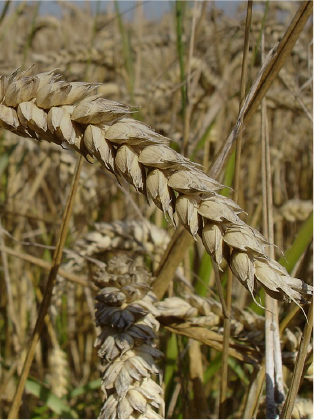
The grains used in MacroTreats are whole-wheat flour and oats. In Macrobars we use puffed rice and quinoa.  Grains contain high complex carbohydrates, which are the most efficient fuel for energy production.  Women who eat high amounts of whole grains are at a 35% lower risk of suffering from an ischemic stroke.  Grains are high in fiber, which have the following benefits:

  • reduces cholesterol levels

  • reduces risk of coronary heart disease

  • prevents chronic constipation

  • lowers hemorrhoid incidents

  • improves hypoglycemic conditions

  • protects against a variety of cancers


Maple Syrup

Maple syrup is a good sweetener to use if you’re trying to protect the health of your heart.  It is an excellent source of manganese and a good source of zinc.  The trace mineral manganese is an essential cofactor in a number of enzymes important in energy production and antioxidant defenses.  The zinc supplied by maple syrup, in addition to being an antioxidant, has other functions that can decrease the progression of atherosclerosis, a common disorder of the arteries.  Both manganese and zing are important allies to the immune system.


Peanut Butter

Peanut butter is an ideal food for a heart healthy diet.  It is a good source of protein, unsaturated fats, folate, and vitamin E.  The majority of the fat in peanut butter is polyunsaturated or monounsaturated, which helps to lower your cholesterol.  It is a good source of protein as well as folic acid, which may prevent birth defects, heart disease, and cancer.  Peanut butter is also high in fiber, which is important for the prevention of many cancers and heart disease.


Sesame Seeds

Not only are sesame seeds a very good source of manganese and copper, they are also a good source of calcium, magnesium, iron, phosphorous, vitamin B1, zinc and dietary fiber. Copper provides relief for rheumatoid arthritis. Magnesium supports vascular and respiratory health. Calcium helps prevent colon cancer, osteoporosis, migraine and PMS. And zinc is necessary for bone health.

In addition to these important nutrients, sesame seeds contain two unique substances: sesamin and sesamolin. Both of these substances belong to a group of special beneficial fibers called lignans, and have been shown to have a cholesterol-lowering effect. Sesamin has also been found to protect the liver from oxidative damage.


Soy Lecithin

Soy lecithin is a nutritional supplement from soybeans that breaks up fat deposits and lowers cholesterol, protects against heart disease, improves the memory and increases energy levels.  Lecithin is also essential for liver function and health and protects the liver from cirrhosis due to excessive alcohol consumption.  In addition, studies suggest that lecithin alters the membranes of the cells in a manner that inhibits the entry of viruses. 


Sunflower Seeds

Sunflower seeds enhance your health by supplying significant amounts of vitamin E, magnesium and selenium. The vitamin E in sunflower seeds have anti-inflammatory and cardiovascular benefits. Vitamin E has also been shown to reduce the risk of colon cancer, help decrease the severity and frequency of hot flashes in women going through menopause, and help reduce the development of diabetic complications.  The magnesium in sunflower seeds can calm your nerves, muscles and blood vessels. Numerous studies have demonstrated that magnesium helps reduce the severity of asthma, lower high blood pressure, and prevent migraine headaches, as well as reducing the risk of heart attack and stroke. Magnesium is also necessary for healthy bones and energy production. In addition, sunflower seeds are  a good source of selenium, which can improve detoxification and prevent cancer.


Walnuts

A diet high in nuts can protect against some cancers due to their vitamin E, phytochemicals and calcium content.  Walnuts are beneficial for maintaining a healthy weight and even cause weight loss because they aid in satiety, a factor in successful weight loss. Walnuts are high in omega 3 fatty acids, which protect you against heart disease and are the largest single source of antioxidants next to rose hips.  They reduce cholesterol and have a significant amount of vitamin E.


Tell a Friend!